One Card Leads to the Next One: What 1,600 Recent Card Sales Tell Us About What Buyers Actually Want
Cass Sapir
We reviewed roughly 1,600 cards sold across 146 recent CollX orders and looked specifically at how buyers built multi-card orders. We share five things dealers can do now to sell more low end cards to collectors.

The Analysis
When dealers think about sourcing inventory, it’s easy to focus on individual cards.
Is this player hot? Is this a rookie? Is it a Prizm? Is the card worth $5 instead of $2?
But looking at how buyers actually shop tells a slightly different story.
We reviewed roughly 1,600 cards sold across 146 recent CollX orders and looked specifically at how buyers built multi-card orders.
The biggest takeaway:
Buyers rarely assemble orders randomly. They build collections around something.
That “something” might be a player, a team, a city, a rookie class, a set, an era, or a particular type of parallel.
For dealers, that creates a simple opportunity:
Source and list inventory that naturally belongs together.
Sourcing Inventory that Will Sell
1. Stars, Teams and Players Drive Most Multi-Card Buying
The strongest pattern in the data was subject-based collecting.
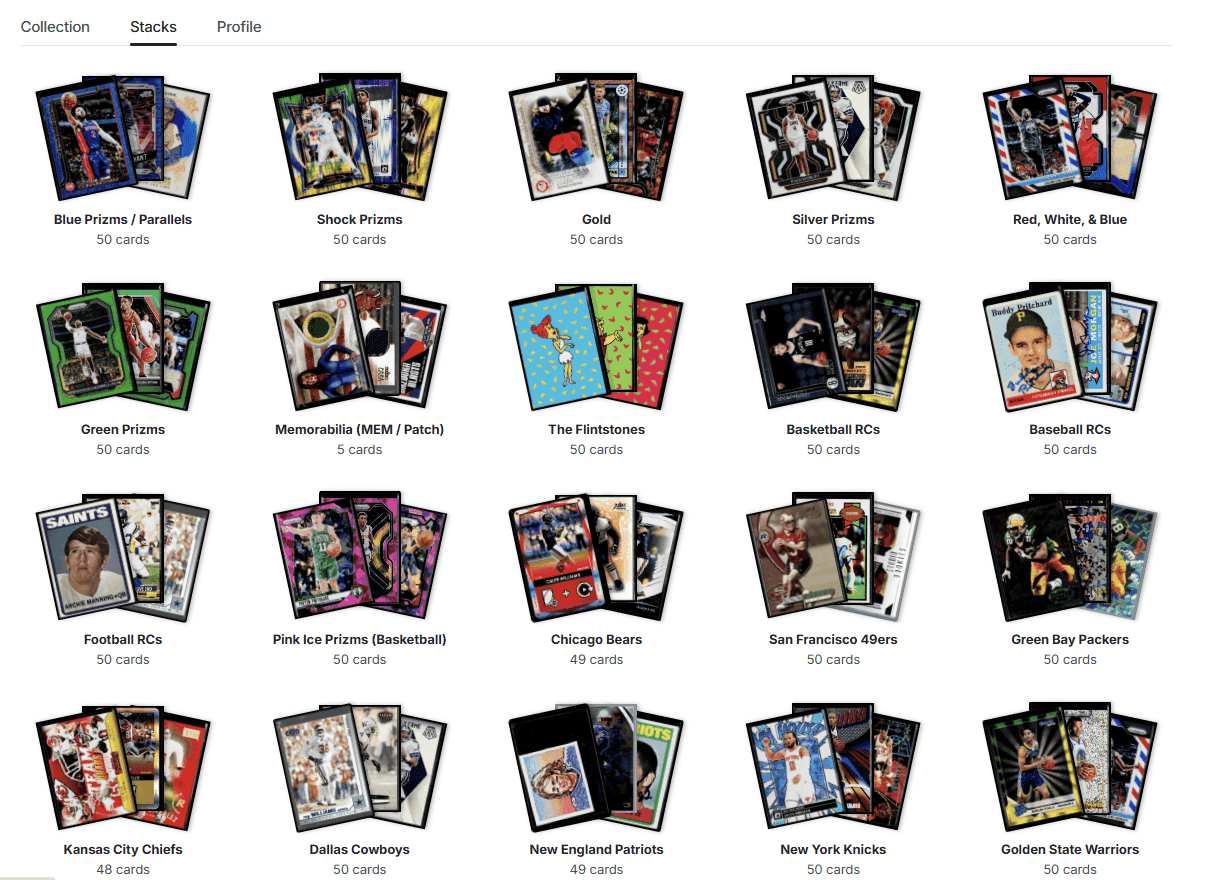
Roughly 72% of the cards in multi-card orders — and about 75% of the merchandise value — came from orders primarily built around stars, individual players, teams or local markets.
That means the name or uniform on the card often matters more than the exact product.
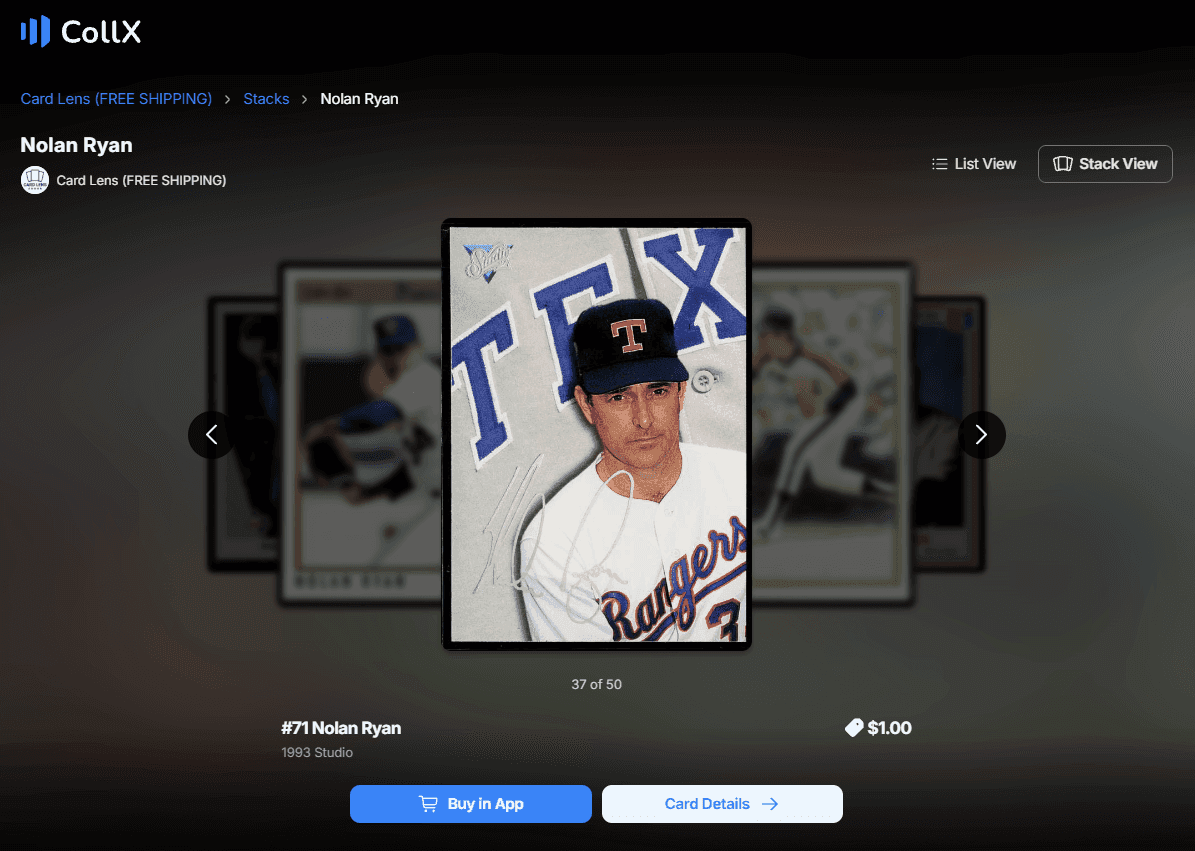
One buyer, for example, built a large Barry Bonds order using cards from Topps, Score, Donruss, Studio, Ultra and other products.
The common thread wasn't the set.
It was Barry Bonds.
Another buyer assembled a Detroit-focused order featuring Amon-Ra St. Brown, Jahmyr Gibbs, Jared Goff, Aidan Hutchinson, Penei Sewell and other Lions across completely different products.
Dealer takeaway
Don't just ask:
"Is this card individually valuable?"
Also ask:
"Is this a card that helps me build depth around a player or team people collect?"
A $1 Bobby Witt Jr., Tom Brady, Shohei Ohtani or Michael Jordan card becomes much more useful inventory when you have 10 or 20 different cards of that player available.
The same is true for teams.
A secondary Eagles player may not look exciting on his own. But put him next to A.J. Brown, Jalen Hurts, rookies, legends and Eagles parallels, and suddenly the buyer has a reason to keep adding cards.
2. Build Player Depth — Not Just Star Inventory
One of the clearest behaviors was buyers purchasing multiple different cards of the same player.
A Bobby Witt Jr. buyer purchased base cards, Stars of MLB, Chrome, 8-Bit Ballers and Titans of the Game cards in the same order.
That suggests a sourcing strategy dealers sometimes overlook:
Depth matters.
You don't need ten $20 Bobby Witt cards.
You may be better served having:
Five $1 cards
Four $2 cards
Three inserts
Two parallels
One better card
Now a Bobby Witt collector can build a meaningful order from your inventory.
Dealer takeaway
When buying collections or digging through dollar boxes, don't stop after finding one card of a collectible player.
Keep pulling different cards of that player.
3. Team Inventory Is More Valuable When It Goes Deep
Team collecting was another major source of multi-card orders.
One Eagles-focused order included A.J. Brown alongside Cam Jurgens, Darius Slay Jr., Jeremiah Trotter Jr., Johnny Wilson, Andrew Mukuba and Keith Byars.
It also included several different colors and parallels.
This is important because the buyer wasn't only shopping superstars.
They were shopping the Eagles.
Dealer takeaway
For popular teams, stock three layers of inventory:
Current stars
Rookies and young players
Legends and secondary fan-favorite players
Then add parallels and inserts wherever possible.
That's what turns a single-card purchase into a 10-card order.
Cities and Set Builders
4. Don't Ignore City-Based Collecting
Some buyers go even broader than a team.
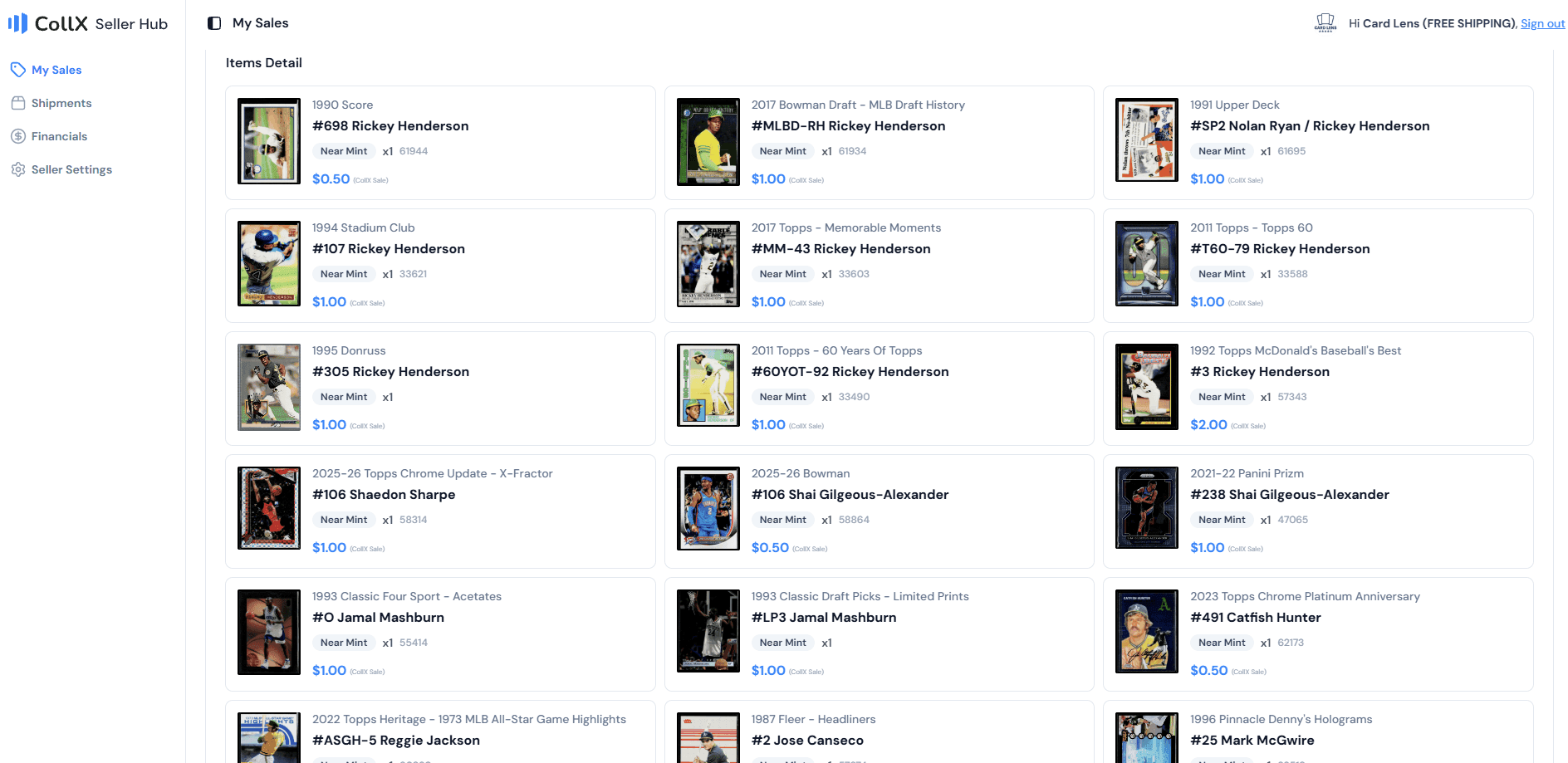
One Boston-area order combined Tom Brady with Pedro Martinez and Jason Varitek.
That buyer wasn't simply shopping Patriots or Red Sox cards.
They were effectively shopping Boston sports.
The same opportunity exists in markets like:
Philadelphia
Detroit
Chicago
New York
Dallas
Pittsburgh
Boston
Dealer takeaway
Experiment with cross-sport city lots:
Boston Legends
Detroit Stars
Philly Sports
Chicago Greats
These can give otherwise inexpensive cards a much stronger reason to be purchased together.
5. Rookies and Prospects Form Their Own Buying Category
Another noticeable pattern was buyers building orders around young players with upside.
One football order combined Jaxson Dart, Travis Hunter, Cam Ward, Ashton Jeanty and Ricky Pearsall.
The buyer wasn't necessarily collecting one team.
They were collecting the rookie class.
Dealer takeaway
Think in cohorts:
Top NFL rookies
MLB prospects
Young quarterbacks
NBA rookies
Breakout players
Call-up candidates
These are especially powerful when timing is working in your favor — opening day, training camp, a playoff run, a prospect call-up or a player suddenly getting national attention.
6. Set Builders Are Still Out There
Not every buyer starts with a player.
Some buyers start with a set.
One buyer purchased nearly 20 different cards from 1987-88 Fleer basketball in one order.
Another buyer concentrated heavily on the 2026 Topps 1991 Anniversary inserts across many different players.
Dealer takeaway
If you acquire a large run from the same set, don't automatically scatter those cards throughout your inventory.
Make them easy to browse together.
A collector trying to finish a set may buy 10 cards that would otherwise each sit unsold individually.
7. Parallels Work — Especially Familiar Colors and Patterns
Parallel-heavy orders were also a recurring behavior.
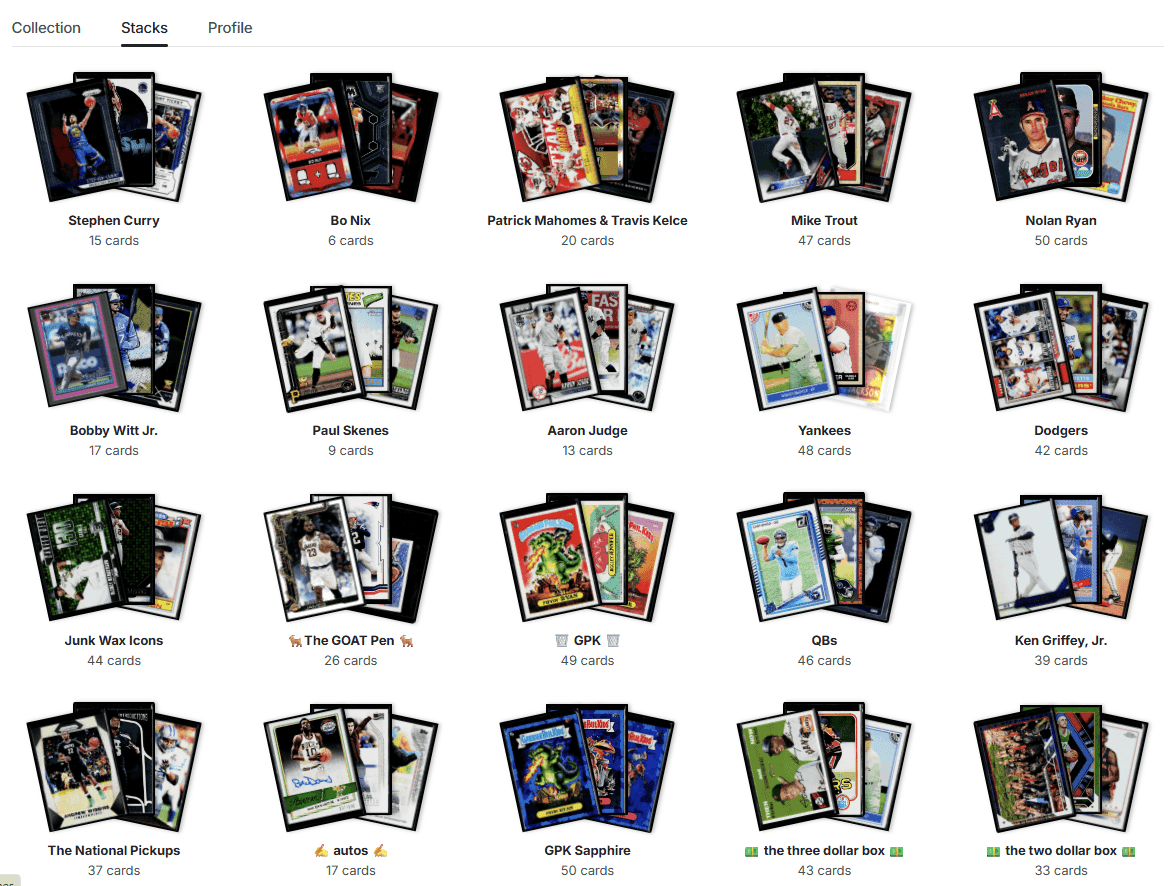
Across the full 90-day sample, some of the most frequently purchased parallel families included:
Green
Gold
Red White & Blue
Blue
Refractors
Red
Silver / Silver Wave
Shock
Ice
Pink
RayWave
One order alone included Purple Shock, Red White & Blue, Green Ice, Green and Black & Green Shock cards across different players.
Another buyer assembled Eagles cards using Green, Red White & Blue, Neon Green Pulsar, Pink and White Disco parallels.
Dealer takeaway
Don't think of parallels as a substitute for desirable players or teams.
Think of them as an accelerant.
Good player + popular team + recognizable parallel is much stronger than a random parallel of a random player.
If you're sourcing inexpensive parallels, familiar visual families like Green, Gold, Silver, Ice, Shock, Refractor and Red White & Blue are good places to start.
Multiple Copies can be a Good Thing
8. Duplicate Cards Can Sell Too
Buyers don't always want one copy.
In roughly one out of every five multi-card orders we reviewed, the buyer purchased at least one exact-card duplicate.
One particularly clear example included repeated copies of just two 2026 Topps players: Troy Melton and Chase Burns.
This is especially relevant for:
Rookies
Prospects
Hot players
Cheap parallels
Speculative cards
Dealer takeaway
Don't assume duplicate inventory is bad inventory.
If the card is cheap and the player has upside, having a stack available can actually be a selling point.
The Bigger Lesson: Buy Cards That Belong Together
The most important conclusion from these orders isn't that every dealer should suddenly buy more Green Prizms or 1987 Fleer.
It's this:
The best low-dollar inventory usually has a reason to be purchased with another card.
When sourcing, look for inventory that fits into a larger collecting story:
Player + depth
Team + depth
Rookie + rookie class
Star + other stars
Set + more cards from the set
Team + parallel
Player + parallel
Era + recognizable players
A random $1 card has to sell itself.
A $1 card that is the eighth card someone wants in a Griffey collection, Eagles order, rookie stack or 1990s basketball lot has a much easier job.
Five Things Dealers Can Do Now
Go deeper on collectible players. Buy multiple different inexpensive cards rather than only the best card you can find.
Build team inventory intentionally. Include stars, rookies, legends and secondary players.
Keep related inventory discoverable. Sets, teams, players and parallel groups work better when buyers can easily find the next card.
Use parallels to strengthen already-good inventory. Green, Gold, Silver, Ice, Shock, Refractor and other recognizable parallels give collectors another reason to add a card.
Think in lots even when listing singles. Ask yourself what other cards the buyer of this card is likely to want — and make sure you have them available.
The goal isn't simply to have more cards listed.
It's to build inventory where one card naturally leads to the next one.